Is Appliance Repair Worth It? What Most People Get Wrong
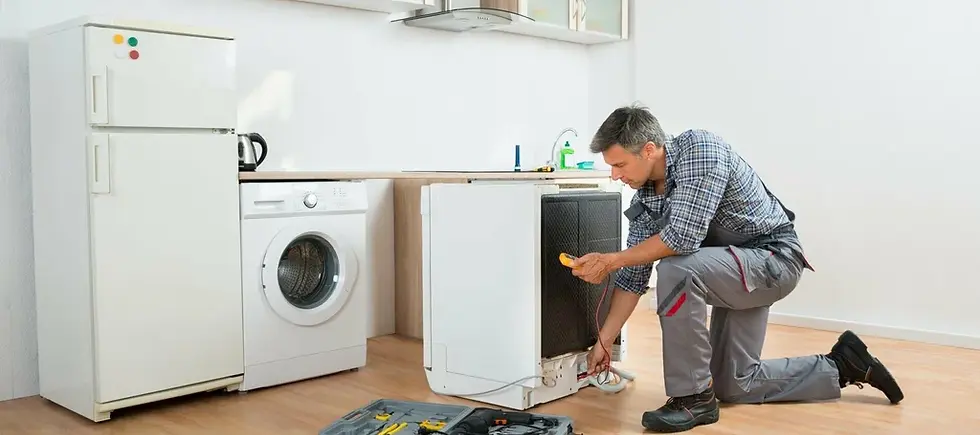
When a household appliance breaks down, many homeowners immediately think about replacing it. While buying a new appliance can seem like the easiest solution, appliance repair is often the smarter choice both financially and environmentally. Unfortunately, there are common misconceptions that lead people to spend more than necessary. Understanding the true value of repair can save you money and extend the life of your appliances.
The Cost Comparison: Repair vs Replacement
One of the biggest misconceptions is that repairing an appliance is always expensive. In reality:
Minor repairs often cost between $50–$150, such as replacing filters, fuses, or belts.
Major repairs, like fixing motors or compressors, may cost $200–$500 depending on the appliance and brand.
Replacement appliances can cost hundreds or thousands of dollars, depending on the model and features.
Repairing a high-quality appliance can be significantly cheaper than buying a brand-new one.
Common Misconception: “It’s Old, So It’s Not Worth Repairing”
Many people assume that appliances over 10 years old are not worth repairing. While age is a factor, it’s not the only one:
Some older appliances are built to last and can continue functioning efficiently after a repair.
If a single part fails in an older model, replacing that part may be far cheaper than buying a new unit.
Routine maintenance and timely repairs can extend the life of older appliances by several years.
Common Misconception: “Repair Costs Will Add Up Too Much”
It’s true that repeated repairs can become costly, but most issues are preventable with proper care:
Regular cleaning and maintenance reduce wear and tear.
Inspecting hoses, cords, and seals can prevent small problems from turning into major failures.
Professional inspections can catch hidden issues early, saving money in the long term.
By addressing problems early, you often avoid multiple expensive repairs.
Common Misconception: “DIY Fixes Are Always Cheaper”
While some minor repairs are safe for homeowners, many fixes require professional expertise:
Electrical issues, motor failures, and sealed system repairs need licensed technicians.
DIY mistakes can worsen the problem, leading to higher repair costs or even safety hazards.
Hiring a qualified technician ensures the repair is done right the first time.
Environmental Benefits of Repair
Beyond cost savings, appliance repair has environmental advantages:
Reduces landfill waste from discarded appliances.
Conserves resources used to manufacture new products.
Decreases energy consumption by keeping appliances running efficiently.
Choosing repair over replacement is a responsible decision for both your wallet and the planet.
Signs Repair Is Worth It
Repairing an appliance is typically worth it if:
The repair cost is less than 50% of a new appliance.
The appliance is relatively new or high-quality.
The problem is isolated to a single, replaceable part.
When Replacement Is Better
However, replacement may be the better choice if:
The appliance is over 10–15 years old and has multiple issues.
Energy efficiency is significantly lower than modern models.
Repairs are frequent and costly, indicating the appliance is nearing the end of its lifespan.
A careful evaluation of costs, appliance condition, and efficiency will help you make the best decision.
Tips for Making the Right Choice
Compare repair costs with the price of a new appliance.
Research the expected lifespan of your appliance model.
Consider energy savings from newer, efficient models.
Ask a professional technician for a detailed assessment before deciding.
Conclusion
Appliance repair is often more worthwhile than replacement, but misconceptions can lead homeowners to spend unnecessarily. Understanding the costs, benefits, and long-term impact of repair allows you to make smarter decisions. By repairing when appropriate, you save money, reduce waste, and extend the life of your household appliances. The key is knowing when repair is the right choice—and when replacement truly makes sense.


Comments